-
19% off
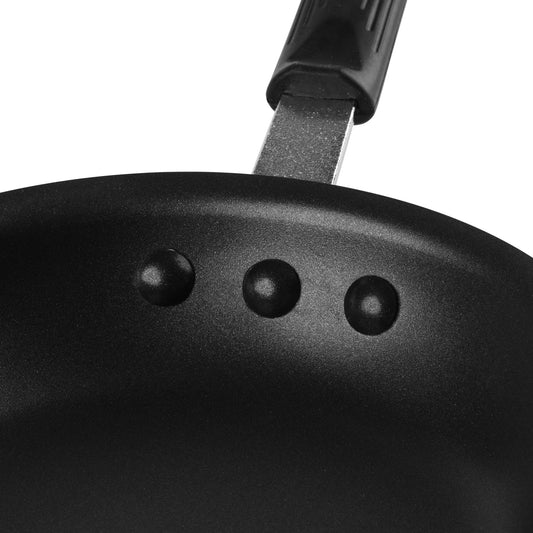
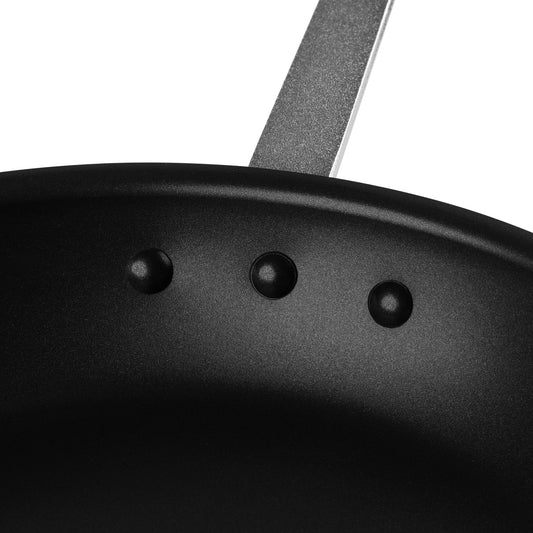
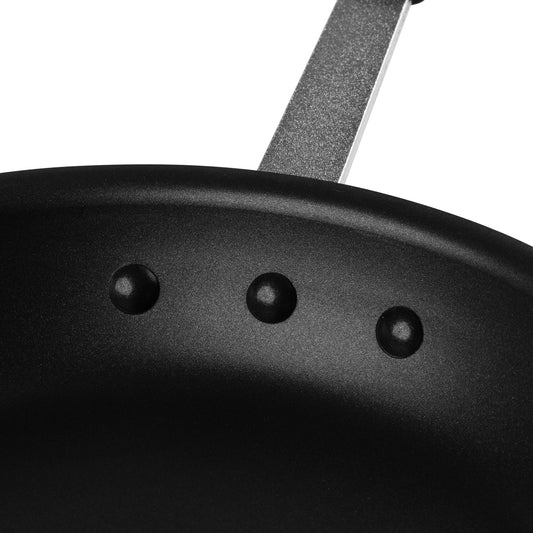
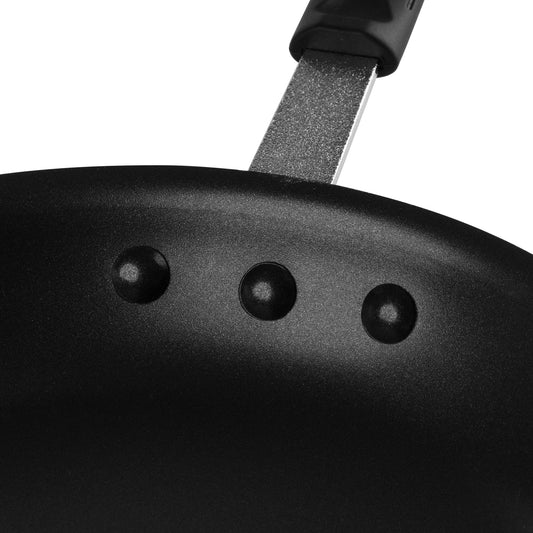
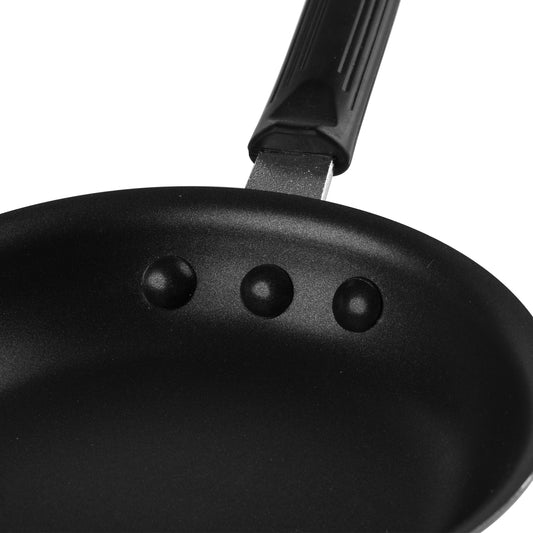
SignatureWares Heavy Duty Non Stick Frying Pan, 12", Aluminum, Eclipse Finish - 506012
SKU: 5002/506012Available to shipRegular price $46.09 CADSale price $46.09 CAD Regular priceUnit price per$57.53 CADSale -
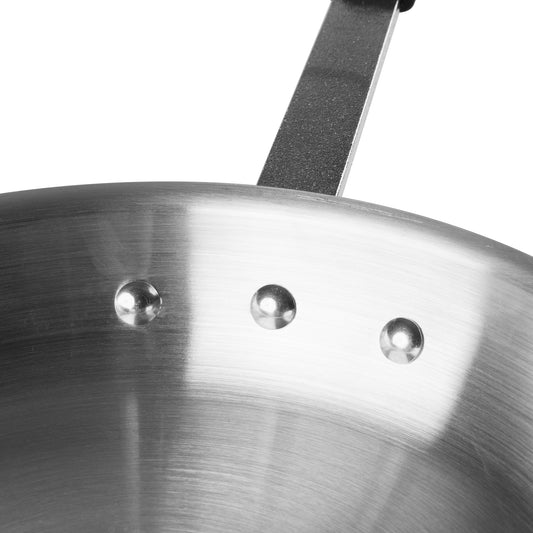
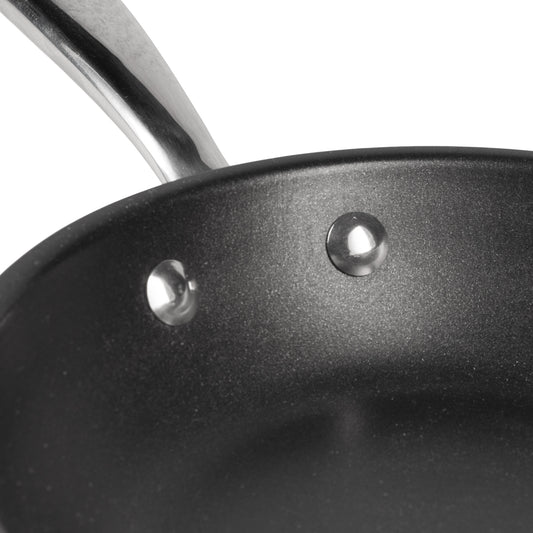
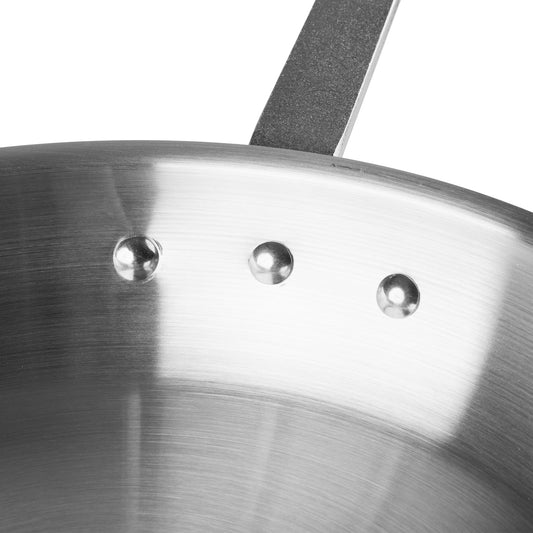
SignatureWares Non Stick Frying Pan, 14", Stainless Steel, Excalibur Finish - FRYPANSS14X
SKU: 5000/FRYPANSS14XAvailable to shipRegular price $180.77 CADSale price $180.77 CAD Regular priceUnit price per$0.00 CAD -
SignatureWares Non Stick Frying Pan, 12.5", Stainless Steel, Excalibur Finish - FRYPANSS125X
SKU: 5000/FRYPANSS125XAvailable to shipRegular price $149.77 CADSale price $149.77 CAD Regular priceUnit price per$0.00 CAD -
SignatureWares Non Stick Frying Pan, 11", Stainless Steel, Excalibur Finish - FRYPANSS11X
SKU: 5000/FRYPANSS11XAvailable to shipRegular price $100.44 CADSale price $100.44 CAD Regular priceUnit price per$0.00 CAD -
SignatureWares Non Stick Frying Pan, 9.5", Stainless Steel, Excalibur Finish - FRYPANSS95X
SKU: 5000/FRYPANSS95XAvailable to shipRegular price $85.44 CADSale price $85.44 CAD Regular priceUnit price per$0.00 CAD -
23% offAvailable to shipRegular price $20.19 CADSale price $20.19 CAD Regular priceUnit price per
$26.38 CADSale -
23% off
SignatureWares Heavy Duty Non Stick Frying Pan, 8", Aluminum, Eclipse Finish - 506008
SKU: 5002/506008Available to shipRegular price $24.19 CADSale price $24.19 CAD Regular priceUnit price per$31.69 CADSale -
19% off
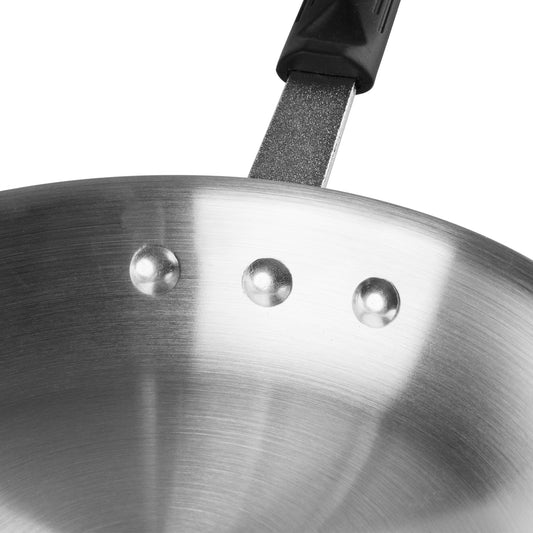
SignatureWares Frying Pan, 12", Aluminum, Natural Finish - 501012
SKU: 5002/501012Available to shipRegular price $34.89 CADSale price $34.89 CAD Regular priceUnit price per$43.57 CADSale -
23% off
SignatureWares Frying Pan, 10", Aluminum, Natural Finish - 501010
SKU: 5002/501010Available to shipRegular price $23.99 CADSale price $23.99 CAD Regular priceUnit price per$31.38 CADSale -
20% off
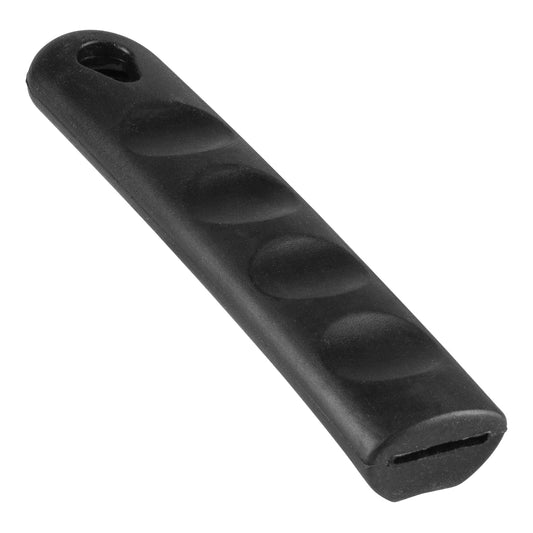
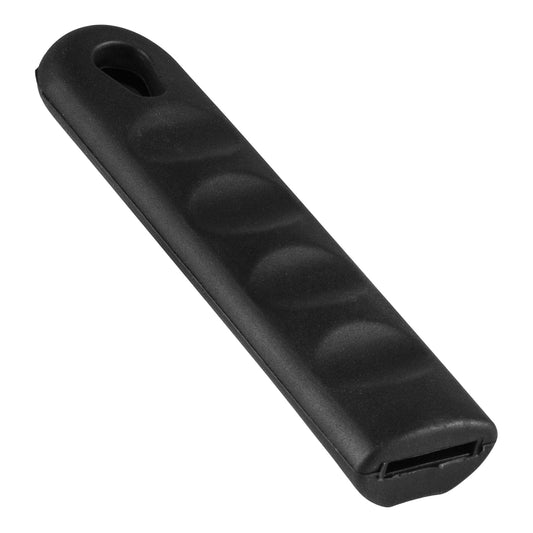
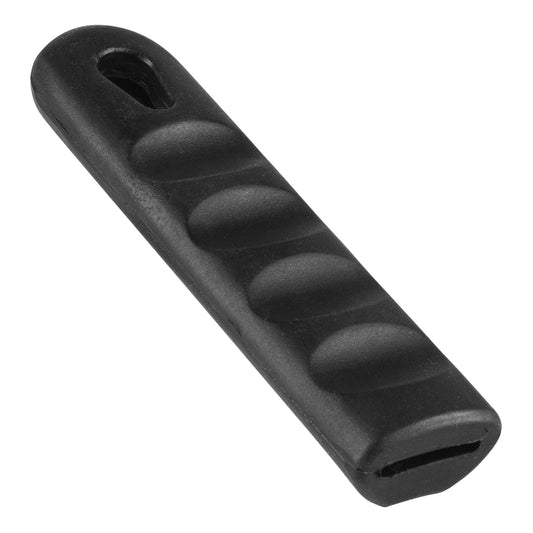
SignatureWares Silicone Sleeve for Aluminum Frying Pan Handle, Large, Black - 509003
SKU: 5002/509003Available to shipRegular price $3.43 CADSale price $3.43 CAD Regular priceUnit price per$4.32 CADSale -
20% off
SignatureWares Silicone Sleeve for Aluminum Frying Pan Handle, Medium, Black - 509002
SKU: 5002/509002Available to shipRegular price $2.92 CADSale price $2.92 CAD Regular priceUnit price per$3.68 CADSale -
17% off
SignatureWares Silicone Sleeve for Aluminum Frying Pan Handle, Small, Black - 509001
SKU: 5002/509001Available to shipRegular price $2.53 CADSale price $2.53 CAD Regular priceUnit price per$3.07 CADSale -
SignatureWares Non Stick Frying Pan, 8", Stainless Steel, Excalibur Finish - FRYPANSS8X
SKU: 5000/FRYPANSS8XAvailable to shipRegular price $67.46 CADSale price $67.46 CAD Regular priceUnit price per$0.00 CAD -
19% offAvailable to shipRegular price $56.39 CADSale price $56.39 CAD Regular priceUnit price per
$70.32 CADSale -
19% offAvailable to shipRegular price $42.69 CADSale price $42.69 CAD Regular priceUnit price per
$53.23 CADSale -
23% offAvailable to shipRegular price $29.29 CADSale price $29.29 CAD Regular priceUnit price per
$38.34 CADSale -
23% offAvailable to shipRegular price $15.49 CADSale price $15.49 CAD Regular priceUnit price per
$20.31 CADSale -
19% off
SignatureWares Heavy Duty Non Stick Frying Pan, 14", Aluminum, Eclipse Finish - 506014
SKU: 5002/506014Available to shipRegular price $49.29 CADSale price $49.29 CAD Regular priceUnit price per$61.48 CADSale -
23% off
SignatureWares Heavy Duty Non Stick Frying Pan, 7", Aluminum, Eclipse Finish - 506007
SKU: 5002/506007Available to shipRegular price $19.19 CADSale price $19.19 CAD Regular priceUnit price per$25.08 CADSale -
19% offAvailable to shipRegular price $53.69 CADSale price $53.69 CAD Regular priceUnit price per
$66.97 CADSale -
19% offAvailable to shipRegular price $40.49 CADSale price $40.49 CAD Regular priceUnit price per
$50.47 CADSale -
23% offAvailable to shipRegular price $28.29 CADSale price $28.29 CAD Regular priceUnit price per
$37.03 CADSale -
23% offAvailable to shipRegular price $20.09 CADSale price $20.09 CAD Regular priceUnit price per
$26.27 CADSale -
23% offAvailable to shipRegular price $16.09 CADSale price $16.09 CAD Regular priceUnit price per
$21.07 CADSale