Chamber vacuum sealers & bags for food storage, prep and sous vide
Extend shelf life, reduce waste and streamline prep with commercial vacuum sealing equipment designed for
Canadian restaurants, hotels, caterers and institutional kitchens. This collection features chamber vacuum
sealers and vacuum sealer bags from brands like Atmovac, Hamilton Beach, Omcan and Vollrath, so you can
support bulk storage, sous vide cooking and portion control across your operation.
Whether you’re sealing proteins for sous vide, batching sauces and stocks, or portioning prepared items for
grab-and-go programs, reliable vacuum sealing helps protect food quality and consistency. Chamber sealers
paired with the right bags give you strong seals, repeatable results and packaging that stands up to freezing,
refrigeration and controlled-temperature cooking.
Types of vacuum sealing equipment in this collection
Use the filters on this page to focus on the products that match your menu and storage plan:
-
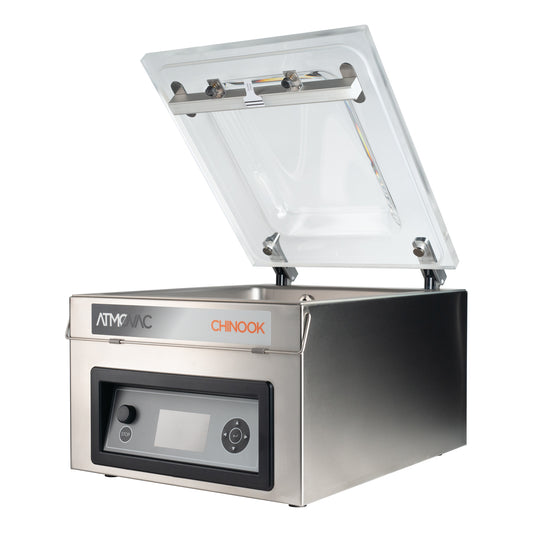
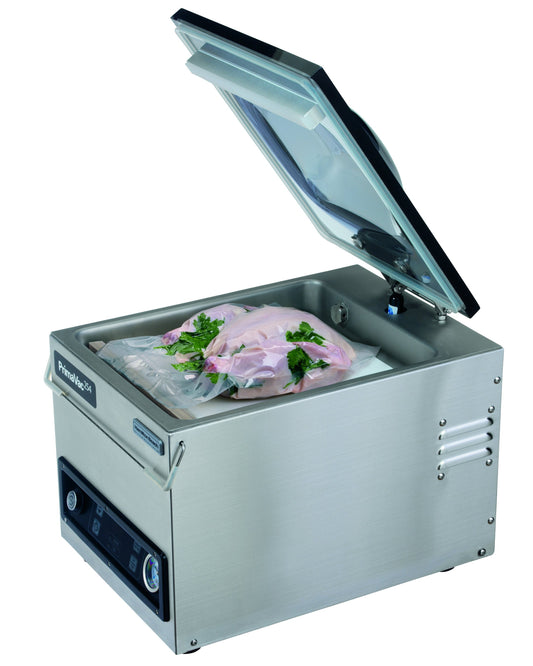
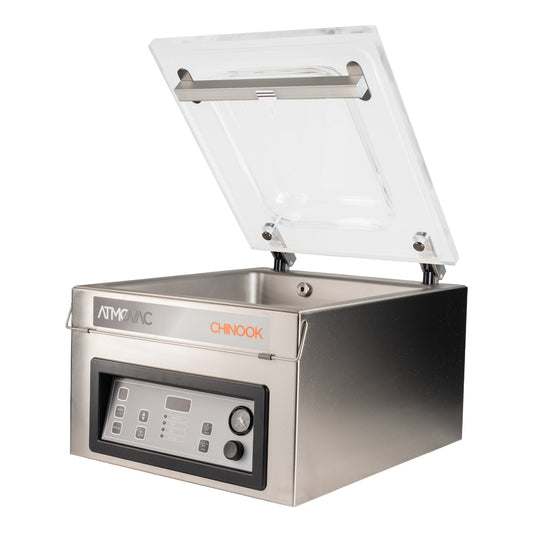
Chamber vacuum sealers: Countertop chamber units from Atmovac, Hamilton Beach PrimaVac and Omcan, with sealer bar lengths and chamber sizes suited to proteins, prepared dishes and bulk ingredients.
-
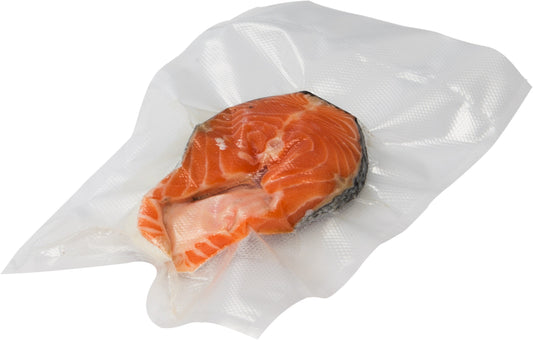
Vacuum sealer bags: Smooth and channeled vacuum bags from Atmovac and Vollrath, available in popular foodservice sizes and sold in 100-pack cases for freezer, cooler and sous vide use.
Many Canadian kitchens pair a compact chamber vacuum sealer with multiple bag formats—smooth freezer bags for
bulk proteins and stocks, and channeled or cooking-grade bags for portioned entrées or sous vide. Matching
your chamber size to your largest portions and your bag sizes to your most common cuts helps keep sealing
fast and consistent during busy prep windows.
Choosing a chamber sealer and bags for your Canadian kitchen
Start with the products you plan to seal most often: steaks and seafood, batch-cooked sauces, vegetables for
sous vide, or prepared grab-and-go items. Larger cuts and trays need a chamber and sealer bar long enough to
accommodate your biggest bags, while smaller programs may prioritize a compact footprint for limited counter
space. Also think about how many cycles you run on your busiest days—higher-volume operations may benefit
from heavier-duty models that can handle repeated sealing without slowing down.
Bag selection matters as much as the machine. Choose bag sizes that fit your standard portions with minimal
waste, and look for freezer- and cooking-rated bags when you plan to use vacuum sealing for both storage and
sous vide. Keeping a small range of consistently used sizes simplifies inventory and training, especially for
multi-unit concepts across Canada.
If you’re not sure which Atmovac, Hamilton Beach, Omcan or Vollrath options are right for your operation,
start with your menu, expected volume and where vacuum sealing fits into your storage and prep routines. If
you don’t see a specific chamber sealer or bag size listed, a Russell Hendrix representative can help you
review additional options, lead times and compatible accessories.
Frequently Asked Questions about Vacuum Sealing Equipment
How do I choose the right chamber vacuum sealer size?
Start by looking at the largest items you plan to seal—such as full steaks, roasts, fillets or pouches of
soup or sauce. The bag must fit fully inside the chamber and across the sealer bar, with enough extra
length for a strong seal. If you regularly seal larger cuts or multiple portions at once, choose a chamber
and bar length that comfortably handle those sizes. Smaller restaurants that mostly seal individual
portions can often use a more compact chamber model to save space.
Can I use vacuum sealer bags for both freezing and sous vide cooking?
Many commercial vacuum bags are suitable for both freezing and controlled-temperature cooking, but you
should always confirm the temperature rating and intended use in the product details. Cooking-grade bags
designed for sous vide and reheating are typically safe for long cook times in hot water baths, while
freezer-focused bags emphasize low-temperature durability. When in doubt, choose bags that are clearly
marked as appropriate for the way you plan to use them in your kitchen.
What are the advantages of a chamber vacuum sealer in a restaurant?
Chamber vacuum sealers create a more consistent vacuum inside the chamber, which supports stronger seals
and helps prevent liquids from being pulled out of the bag. This is especially useful for marinated
proteins, braising liquids, stocks and sauces. Chamber sealers also work efficiently with smooth bags,
which are widely used in foodservice and typically more economical at volume than consumer-style rolls.
For Canadian kitchens with batch cooking, sous vide or high-volume prep, chamber sealers are often the
most reliable choice.
How does vacuum sealing help with food cost and waste reduction?
Vacuum sealing removes air around food, which slows oxidation, helps protect against freezer burn and
preserves flavour and texture longer than many traditional storage methods. That means you can prep in
larger batches, portion consistently and hold products for longer periods while maintaining quality.
For Canadian operators managing tight margins, that combination of extended shelf life and better
portion control can meaningfully reduce waste and improve food cost.
Are vacuum sealer bags reusable in commercial kitchens?
In most commercial foodservice environments, vacuum bags are treated as single-use items for food safety
and quality reasons. Reusing bags can introduce cross-contamination risks and may compromise seal
integrity, especially if they have been heated, frozen or cut open. For that reason, best practice in
Canadian restaurants and institutional kitchens is to dispose of used vacuum bags and use new bags for
each product or batch.
How should I clean and maintain a chamber vacuum sealer?
Wipe the chamber, lid and exterior regularly with a damp cloth and food-safe cleaner, following the
manufacturer’s instructions. Avoid abrasive pads on sealing surfaces and do not pour water directly into
the machine. Periodically inspect and replace lid gaskets, seal bars and other wear parts as recommended
in the manual. Keeping the chamber clean and checking for worn components helps maintain seal quality
and extends the life of the unit in busy Canadian kitchens.
What if I don’t see the vacuum sealer or bag size I need?
This collection highlights core chamber vacuum sealers and vacuum sealer bags from Atmovac, Hamilton Beach,
Omcan and Vollrath. If you don’t see the exact model, bar length, bag size or style you’re looking for, a
Russell Hendrix representative can help you review additional options, confirm compatibility and explore
alternatives that match your storage and sous vide program in Canada.